 By Audrey Hayes
Updated November 2026
Rowdy rod ice fishing is a simple way to cover water with a rod that signals bites clearly, so you can stay mobile and fish several depths at once. This guide walks you through choosing the rod, setting it up, and fishing it so you spend more time on fish and less time untangling line.
What a Rowdy Rod Is and When to Use One
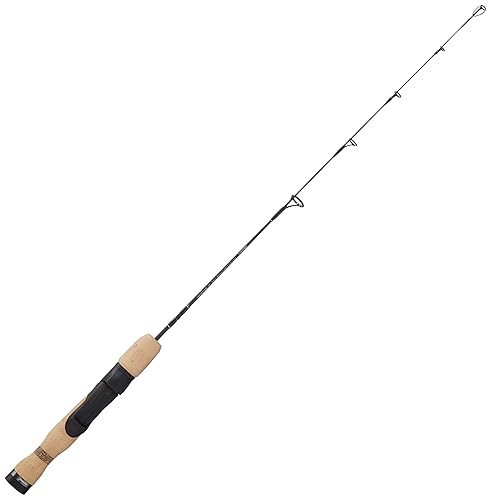
A rowdy rod is a short, stout ice rod built for active jigging and quick strike detection rather than finesse. Because it is compact and sturdy, it suits anglers who drill several holes, move often, or target aggressive species such as panfish and perch. It is less ideal for very light bites or ultra-deep water where a longer, more sensitive rod gives you better feel.
Shopping for one? See our guide: Ice Fishing Rod Blanks Compared: 5 Best for Hard-Water Anglers (2026).
Setting Up Your Rowdy Rod for Hard Water
Start with the line and rig before you ever reach the hole. Matching the components to your target species keeps you from losing fish to light tackle or missing bites to heavy line.
- Spool four- to six-pound monofilament or fluorocarbon for panfish and perch. Step up to eight-pound line if you expect larger fish or heavy cover.
- Tie on a small swivel or a fixed stop about 12 to 18 inches above your jig so the bait stays where you want it.
- Attach a jig in the size and color that fits your water clarity. Smaller jigs in natural colors work best in clear lakes, while brighter tones help in stained water.
- Check the reel drag and spool tension. Light, consistent tension lets the rod load on the strike without pulling the hook free.
- Set the rod in a holder or hold it steady, and confirm the line runs smoothly through the guides.
Fishing the Rod Effectively
Once the line is in the water, your job is to control depth and watch for the subtle signals a stout rod can hide. Work the jig at the level where fish are holding, and let it sit between movements.
Find the Depth First
Lower the jig until it touches bottom, then raise it six to twelve inches. Panfish often stack in the upper third of the water column in winter, while perch tend to sit closer to the bottom. Adjust in small steps until you start getting bites, then stay at that depth.
Read Strikes and Set the Hook
Watch the rod tip and the line where it enters the hole. A tick, a slack spot or a slight sideways movement often means a fish has taken the bait. Lift firmly but smoothly rather than jerking, since the short rod gives you little room for a hard hookset.
Common Mistakes to Avoid
- Using line that is too heavy for the jig, which kills the action and reduces bites.
- Fishing one depth all day without testing others when the bite slows.
- Letting the rod sit untended in a holder without checking it often enough.
- Ignoring ice thickness while moving between holes. Confirm ice safety with local guidance before you walk out.
- Setting the hook too hard, which can tear the hook out of soft-mouthed panfish.
Recommended Gear
A quality fluorocarbon line in the four- to six-pound range helps keep bites visible and presentations natural in clear water. View on Amazon
A small assortment of ice jigs in several sizes and colors lets you adjust quickly when the bite changes. View on Amazon
A compact rod holder keeps your setup steady and frees your hands for drilling and moving. View on Amazon
For more rig and rod setup ideas, see Swish Rod Ice Fishing: How to Rig and Fish One for Better Bites and Tickle Stick Ice Fishing Rod: A Step-by-Step Guide for Beginners.
FAQ
What line should I use with a rowdy rod for panfish?
Four- to six-pound line is a common starting point for panfish because it keeps small jigs moving naturally. Move up in weight only if you expect larger fish or heavy cover.
How deep should I fish with a rowdy rod?
Start by touching bottom and raising the jig six to twelve inches, then adjust in small steps until bites come. Depth needs change through the day, so test different levels when activity slows.
Is a rowdy rod good for beginners?
Yes, its short length and sturdy build make it easier to control than longer, more sensitive rods. Beginners should still practice reading strikes and checking ice safety before fishing.
Conclusion
A well-matched rowdy rod setup gives you quick strike detection, easy mobility and reliable control across panfish and perch waters. Focus on line choice, depth control and gentle hooksets, and your bite rate will improve. Always check ice conditions before heading out.
Related reading
Ready to choose one?
About Audrey Hayes
Audrey Hayes is part of our editorial team and reviews and edits our ice fishing guides, checking product details against manufacturer specifications and owner feedback.