 By Audrey Hayes
Updated November 2026
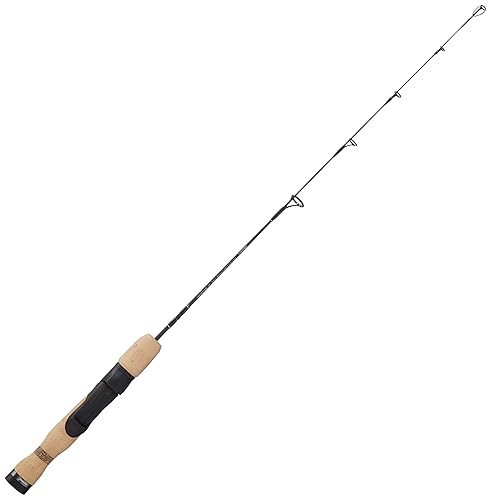
Heatwave ice fishing rod rubber rings are the small rubber fittings that hold your rod’s reel seat and guides in place so the rod stays secure through cold snaps, sudden thaws and rough handling. This guide shows you how to check those rings for wear, decide when to replace them and fit the new ones correctly so your rod stays reliable on the ice.
What the Rubber Rings Do on a Heatwave Rod
Heatwave rods are built with a combination of blank materials and fittings that can shift when temperatures swing between freezing and mild. The rubber rings act as cushions and seals between the rod components. When they harden, crack or lose their grip, the fittings can loosen, which affects sensitivity and can let moisture into the blank.
How to Inspect Your Rubber Rings
Check the rings before every season and again after any trip where the rod took a hard knock or sat in a wet bag. Look for the following:
- Cracks or splits, especially on the side facing the rod tip.
- Flattening or a glossy, hardened surface, which usually means the rubber has aged.
- Gaps between the ring and the component it sits against.
- Stickiness or residue, often caused by bait oil or cleaning products.
Flex the rod gently with the reel removed and listen for creaks or feel for movement at the fittings. Any movement you can see is worth fixing.
Replacing Worn Rings: Step by Step
Work on a clean, dry surface in a warm spot. Cold rubber is brittle and splits easily during removal.
- Remove the reel and any accessories so the fitting is fully exposed.
- Slide the old ring off gently with your fingers or a soft plastic tool. Avoid metal picks that can scratch the blank.
- Wipe the seat area with a dry cloth to remove grit and old residue.
- Check the new ring’s diameter against the old one before fitting. It should sit snugly without stretching.
- Seat the ring evenly, working around it so it doesn’t twist.
- Let the rod sit for a few hours at room temperature so the rubber settles, then check for movement.
Storage and Care to Extend Ring Life
Most ring failures come from heat, cold cycling and contact with chemicals, not from normal fishing. Keep rods out of direct sun in the car, dry them before storing and avoid spraying cleaners near the fittings. Store rods flat or in a rod case where they won’t be crushed.
Common Mistakes
- Forcing a ring that is too small, which can stress the blank.
- Using household oils or solvents, which can soften or swell the rubber.
- Replacing only one ring when several show the same wear pattern.
- Fitting rings on a cold rod, which makes them split during installation.
- Ignoring small gaps, which usually grow into bigger problems on the ice.
Recommended Gear
A soft plastic tool set makes removing rings safer for the blank, and a microfiber cloth helps clean the seat without leaving lint behind. A small tube of rod-safe silicone-free lubricant can ease fitting on a tight ring.
- Soft plastic rod-ring removal tool: lets you lift old rubber without scratching the blank. View on Amazon
- Microfiber cleaning cloths: remove grit and residue from the reel seat without scratching. View on Amazon
- Silicone-free rod lubricant: eases fitting on snug rings without degrading the rubber. View on Amazon
If you’re still choosing a rod, you can compare options in 5 Best Heatwave Ice Fishing Rods for Hard-Water Anglers (2026) before you start replacing parts. For a broader look at how rod components affect performance on the ice, see Walleye Ice Fishing Rod Setup: A Step-by-Step Guide for Hard-Water Anglers.
FAQ
How often should I replace heatwave rod rubber rings?
There is no fixed schedule, but inspect them every season and replace any that show cracks, flattening or gaps. Rings on rods that get heavy use or frequent cold-to-warm swings may need attention sooner.
Can I use glue to hold a loose ring in place?
It’s better to replace a loose ring than to glue it, because adhesive can bond to the blank and make future repairs harder. If you’re unsure about repairing a fitting, consult a rod repair professional.
Why did my ring split when I fitted it?
The rubber was probably cold or stiff, or the ring was slightly too small. Warm the rod and ring to room temperature and check the size before trying again.
Conclusion
Checking your heatwave rubber rings before each season takes only a few minutes and prevents loose fittings and moisture damage on the ice. Replace worn rings promptly, fit them on a clean rod at room temperature and store your rods carefully to keep them working longer. A little attention now means fewer surprises when the bite is on.
Related reading
- Which St Croix Rods Ice Fishing Models Are Worth Buying? 5 Picks Compared
- What Size PVC for Ice Fishing Rod Holder: A Step-by-Step Guide
- Walleye Ice Fishing Rod Length: How to Pick the Right Size (2026)
- Ugly Stik Ice Fishing Rod and Reel Review: Is It Worth It?
Ready to choose one?
About Audrey Hayes
Audrey Hayes is part of our editorial team and reviews and edits our ice fishing guides, checking product details against manufacturer specifications and owner feedback.