 By Audrey Hayes
Updated November 2026
A baitrunner noodle ice fishing rod pairs a long, limber noodle-style blank with a reel that lets fish run with the bait without feeling resistance. This guide explains how the setup works, how to choose the right rod and reel combination, and how to fish it so you get more hookups and fewer lost fish.
How a Baitrunner Noodle Rod Works
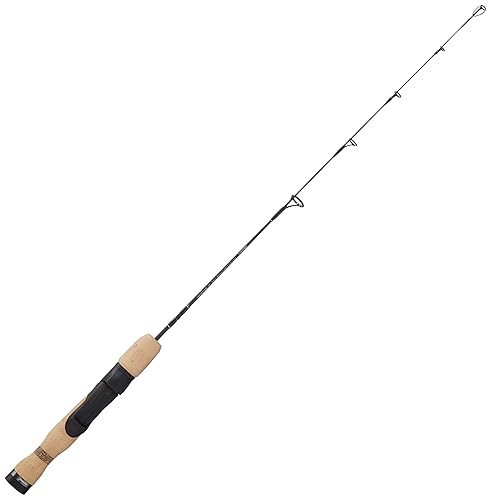
A noodle rod is a flexible, often 5 to 6 feet long, sensitive blank built to absorb the weight of a fish and show light bites clearly. A baitrunner reel has a freespool mode, usually engaged by flipping a lever or switch, that lets line pay out with almost no drag from the spool. Together, the fish takes the bait and runs, and the line feeds out smoothly until you decide to set the hook.
Shopping for one? See our guide: Ice Fishing Rod Blanks Compared: 5 Best for Hard-Water Anglers (2026).
The key advantage is line control at the moment of the bite. A tip-up or standard rod often pulls the bait the moment a fish grabs it, which can spook a wary fish or lead to a missed strike. Freespool lets the fish carry the bait before you engage the hook.
Choosing the Right Rod and Reel
Action and Power
Noodle rods are typically rated light or ultralight for panfish and perch, and medium-light for walleye or larger trout. Match the rod to the fish you are targeting. Lighter power handles small hooks and light line better, while heavier power gives you more backbone for fish that bolt toward cover.
Length
Most anglers use rods between about 4 and 6 feet. Shorter rods are easier to manage in tight shelters and when fishing with a partner. Longer rods help you keep line off the ice edge and give more absorption when a fish makes a strong run.
Reel Features
Look for a reel with a smooth freespool engagement, a secure drag, and a line capacity that fits the species. Small spools suit panfish with light line, while larger spools handle heavier line for walleye and lake trout.
Step-by-Step Setup and Fishing Method
- Spool the reel with line appropriate for your target species, usually 4 to 6 pound test for panfish and 8 to 10 pound for larger fish.
- Tie on a small swivel or barrel swivel to prevent line twist from jigs or spinners.
- Attach a leader of fluorocarbon or a stouter monofilament, roughly 12 to 18 inches, if fish have sharp teeth or cover is heavy.
- Rig your bait, such as a minnow on a jig, with the hook placed through the lips or back for a natural presentation.
- Lower the bait to the depth where fish are holding, then engage freespool so line can run without resistance.
- When the rod tip dips or line starts peeling, wait a few seconds for the fish to take the bait fully, then flip the reel back into gear and set the hook firmly.
Hold the rod in your hand rather than in a holder if conditions allow. Feeling the fish is one of the main reasons people use noodle rods.
Common Mistakes to Avoid
- Leaving freespool engaged while you are not watching the rod, which can let fish drag line into cover.
- Using line that is too heavy for the rod, which dulls the sensitivity that makes noodle rods useful.
- Setting the hook too early, before the fish has turned the bait.
- Forgetting to check knots and swivels after every few fish, especially when fishing with light line.
- Ignoring ice conditions and safety. Always check ice thickness before setting up and carry safety gear.
Recommended Gear
A quality baitrunner reel matched to your rod makes the freespool function reliable in cold weather.
View on Amazon
A fluorocarbon leader helps reduce visibility in clear water and resists abrasion from cover.
View on Amazon
Small barrel swivels keep line twist under control when jigging or fishing spinners.
View on Amazon
FAQ
Is a baitrunner noodle rod good for beginners?
Yes. The freespool feature takes some practice to time, but it teaches you to wait for the fish to commit, which improves hookups for anglers of any level.
What line should I use on a noodle rod?
Most anglers use light monofilament or fluorocarbon in the 4 to 10 pound range, depending on the species and the cover. Match the line to the rod’s power rating.
How do I know when to set the hook?
Wait until the line starts moving steadily away from the hole or the rod tip stays bent for several seconds, then reengage the reel and sweep the rod firmly.
Conclusion
A baitrunner noodle ice fishing rod gives you sensitive bite detection and the ability to let fish take the bait before you set the hook. Choose the right action, length, and reel for your target species, and practice timing your hookset. Always confirm ice thickness and safety conditions before heading out.
Related reading
- Shakespeare Noodle Ice Fishing Rod: How to Choose and Fish One (2026)
- Noodle Rod Ice Fishing: A Step-by-Step Guide for Beginners
- Ice Fishing Noodle Rod Blanks: How to Choose and Build One (2026)
- Which St Croix Rods Ice Fishing Models Are Worth Buying? 5 Picks Compared
Ready to choose one?
About Audrey Hayes
Audrey Hayes is part of our editorial team and reviews and edits our ice fishing guides, checking product details against manufacturer specifications and owner feedback.