 By Audrey Hayes
Updated November 2026
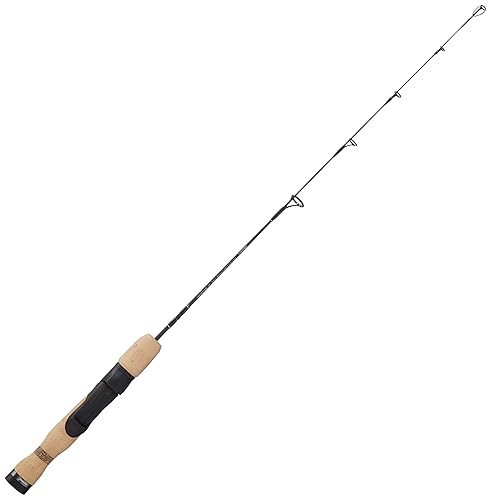
A 42 inch ice fishing rod case protects longer rods from cracked tips, bent guides and crushed blanks during hauls across snow and into a shelter. This guide covers how to measure for the right fit, what construction details matter, and how to load and carry your rods so they arrive at the hole in one piece.
Measure Your Rods Before You Buy
A case rated at 42 inches is meant for rods that fit inside that internal length with room to spare. Measure each rod from the butt cap to the tip with the reel removed, then add about an inch so the tip does not press against the end of the case. If you carry a rod with a reel still mounted, measure with the reel in place, because the reel seat and foregrip add thickness that can wedge against the lid.
Shopping for one? See our guide: 5 Best Ice Fishing Rod Hard Cases for Hard-Water Anglers (2026).
Check the Construction and Closures
Soft cases and hard cases handle abuse differently. A soft case with thick padding and a sturdy zipper works well for light walking and sled hauls. A hard shell protects better when rods get stacked with augers, buckets or tip-ups, and it resists punctures from hooks left in the wrong place.
Look at how the case closes and locks:
- Zippers should be heavy-duty and sit flush so snow and ice crystals stay out.
- Latches on hard cases should hold firmly when the case is tipped or dropped.
- Internal rod holders or foam channels keep blanks from rattling against each other.
- Exterior straps or a handle let you carry the case in one hand without bending the rods.
How to Load and Carry Your Rods
- Remove the reels and store them in a separate pouch or tackle box to avoid pressure on the reel seats.
- Lay the rods in the case with the tips pointing toward the closed end, so the thinnest sections are cushioned.
- Secure each rod in its channel or with a strap so it cannot shift when you lift the case.
- Carry the case flat or upright with the handle facing up, and avoid stacking heavy gear on top of it in the vehicle.
Storing Rods Between Trips
Keep the case in a dry, cool spot, and let it air out after a day on wet ice. Trapped moisture can mildew soft padding and corrode metal hardware. Store the rods loosely in the case rather than tightly bound, since long compression can set the curve in some blanks.
Common Mistakes to Avoid
- Buying by the advertised length alone without measuring your actual rods.
- Leaving reels mounted when you pack, which puts stress on the reel seat.
- Overloading the case so the zipper or latch strains.
- Dragging the case across rough ice where the bottom can tear.
- Ignoring the case once it gets damp, which leads to padding breakdown over time.
Recommended Gear
A sturdy hard shell suits anglers who drive to the lake and carry multiple rods in a truck bed: View on Amazon. Soft cases with thick padding are a practical choice for walking to the hole and sled hauls, and many owners appreciate the lighter weight: View on Amazon. A rod holder with internal foam channels helps keep blanks separated inside any case: View on Amazon.
FAQ
Will a 42 inch case fit a 42 inch rod?
Usually not with the tip snug against the end, so choose a case with a bit more internal length than the rod. Measuring your rod with the reel removed will tell you whether it fits.
Should I keep my reels in the case?
It is better to remove them and store them separately. Mounted reels can press against the lid and stress the reel seat during transport.
How do I clean a rod case after a trip?
Wipe out any snow, ice or slush, then let the case air dry fully before closing it. For specific cleaning or repair advice on a particular brand, check the manufacturer’s instructions.
Conclusion
A well-fitting 42 inch ice fishing rod case keeps your rods protected from the truck to the shelter. Measure carefully, choose construction that matches how you travel, and load the rods so they stay separated. Dry the case after each trip and it will last many seasons.
Related reading
- Striker Ice Fishing Rod Case: How to Choose and Use One for Hard-Water Trips
- Soft Ice Fishing Rod Case: How to Choose and Use One (Step-by-Step)
- Ice Fishing Rod Case Scheels: How to Choose and Use One (2026)
- Ice Fishing Rod Case Homemade: 5 Builds You Can Make This Weekend
Ready to choose one?
About Audrey Hayes
Audrey Hayes is part of our editorial team and reviews and edits our ice fishing guides, checking product details against manufacturer specifications and owner feedback.