 By Audrey Hayes
Updated November 2026
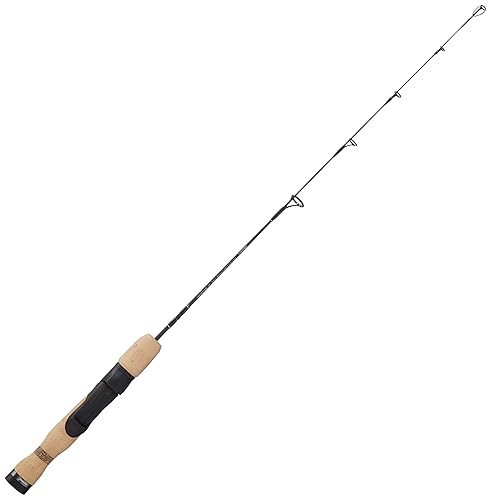
An ice fishing pop up rod is a spring-loaded, self-signaling setup that lets you know when a fish takes your bait without watching the line every second. This guide walks you through choosing a suitable model, setting it up on the ice, and fishing it so you actually catch what bites. Most of the work is in the setup, so take your time there.
What an Ice Fishing Pop Up Rod Does
A pop up rod uses a tensioned spring or trigger arm. When a fish pulls line off the spool or lifts the line, the arm releases and the rod flips up or the flag pops. Because the mechanism is simple, you can run several of them at once and cover more water with a single hole pattern.
Shopping for one? See our guide: Clam Arctic Warrior Ice Fishing Tip-Up Rod Holder Review: Is It Worth It?.
Manufacturers generally describe these as ideal for taking multiple lines while you work another hole. That makes them popular for panfish, perch and walleye, though the exact trigger sensitivity matters a great deal depending on the species you target.
How to Set Up an Ice Fishing Pop Up Rod
- Drill your hole and confirm ice thickness first. Four inches of clear, solid ice is the usual minimum for foot traffic, and you should always check local guidance before going out.
- Mount the rod holder or base firmly to the ice near the hole, keeping it level so the rod sits square over the water.
- Tie your mainline to the spool and set the trigger tension so a light pull releases the arm, but a leaf or wind gust does not.
- Bait your hook, lower it to your target depth, and set the spool so the line is just taut enough to trigger.
- Test the release by gently lifting the line. The arm should pop cleanly every time without sticking.
If you are unsure how the trigger should behave, read through How to Set Up Ice Fishing Rod: A Step-by-Step Guide for Beginners for general setup habits that carry over to any ice rig.
Fishing the Rod and Reading Bites
Once the rod is set, your job is to keep the bait working in the strike zone. Many anglers prefer to fish the hole close to the bottom, because most panfish and walleye spend their time within a few feet of structure. For a deeper look at signaling methods, the guide to Ice Fishing Rod Strike Indicator: How to Set Up and Read Bites (Step-by-Step) explains how to match the indicator to the bite you expect.
Check each rod every 10 to 15 minutes. Clear away snow and slush, confirm the bait is still attached, and reset the trigger if it has drifted. A fish that takes the bait and drops the line can leave the rig looking untouched, so inspect the hook point each time.
Tips and Common Mistakes
- Setting the trigger too tight. A tense release will miss light bites, especially from panfish.
- Placing the holder on soft or uneven ice, which lets the rod tip and drift.
- Leaving the line too slack, so the arm never releases until a fish is well settled.
- Running too many lines at once. Keep the number manageable so you can actually respond to strikes.
- Forgetting that wind and snow can trigger false flags. Adjust tension when conditions change.
Recommended Gear
- Heavy-duty ice rod holder with adjustable arms helps keep the setup stable on uneven ice. View on Amazon
- Spring-loaded tip-up kit gives you a dependable trigger system for the pop up setup. View on Amazon
- Ice fishing line spool with a reliable hook set keeps the rig organized and easy to re-bait. View on Amazon
FAQ
Do I need a special rod for an ice fishing pop up rod?
Not necessarily. Many anglers use a light ice rod or a dedicated tip-up spool, as long as the line and trigger are matched to the target species.
How thick should the ice be before I set up?
Four inches of clear ice is the common starting point for walking on the ice, but check local conditions and official advisories before you go out. Ice thickness can vary across a single lake.
How often should I check the rods?
Check every 10 to 15 minutes, clearing snow, confirming bait and resetting the trigger as needed. Consult your local fishing authority for guidance on safe and legal practices.
Conclusion
A well-set ice fishing pop up rod gives you reliable strike notification and lets you cover more water without constant watching. Get the trigger tension right, keep the holder stable and check your lines regularly. Those three habits account for most of your success on the ice.
Related reading
- Pvc Ice Fishing Rod Holder: How to Build One That Holds Up on the Ice
- Lake Trout Ice Fishing Rod Set Up: 6 Steps for Hard-Water Success
- Ice Fishing Rod Tip-Up: How to Set One Up and Fish It Right
Ready to choose one?
About Audrey Hayes
Audrey Hayes is part of our editorial team and reviews and edits our ice fishing guides, checking product details against manufacturer specifications and owner feedback.