As an Amazon Associate I earn from qualifying purchases. This page may contain affiliate links.
Ice fishing on Lake Mille Lacs is one of the best-known hard-water experiences in Minnesota. The lake is large, shallow in places, and productive for walleye, perch and crappie once the ice is thick enough to hold you. Success comes down to checking ice thickness, understanding the lake’s structure and matching your presence to the season. Start with safety, then focus on depth changes and weed edges.
Why Lake Mille Lacs Attracts Hard-Water Anglers
Mille Lacs covers a large expanse of central Minnesota and has a long history as a walleye destination. Its open basins, gravel and rock humps, and scattered weed beds give fish plenty of places to feed. Anglers who learn a few key structures can keep moving until they find active fish. Because the lake is so big, a single day can cover a lot of water, so a plan matters more here than on a small pond.
Shopping for one? See our guide: Ion Electric Ice Auger Battery Review: Features and Performance.
Factors That Affect Your Day on the Ice
Ice Thickness and Safety
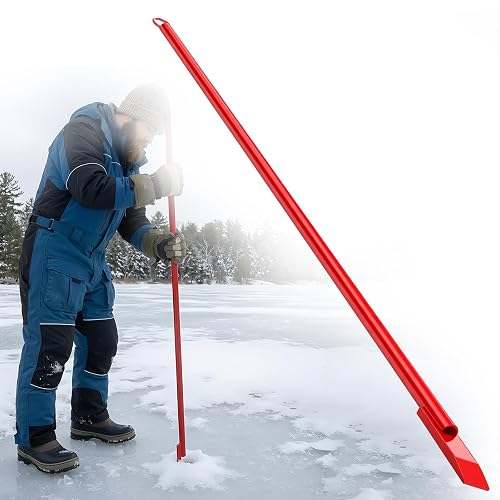
Ice thickness is the first thing to check on any lake, and Mille Lacs is no exception. Thickness varies with wind, current, snow cover and springs. As a general guideline used by many state agencies, four inches of clear new ice is a minimum for walking, while five to seven inches is typically recommended for a group or a vehicle-free shelter. Ice near inlets, points and areas with moving water can be weaker than the surrounding sheet. Always verify with a spud bar or auger and check current conditions with local bait shops and the Minnesota DNR before you go. If you are unsure about ice conditions, consult a professional guide or local authority.
Depth and Structure
Walleye on Mille Lacs often relate to depth breaks, rock piles and transition zones between sand and weeds. Many anglers start in the 12 to 20 foot range and move along the break until they mark fish on a flasher or sonar unit. Perch tend to school near weed edges and mud lines, while crappie can hold around woody cover and submerged vegetation. Mapping the lake on a phone or GPS app before you walk out will save a lot of wasted holes.
Season and Weather
Early ice, mid-winter and late ice each bring different patterns. Early ice fish often stay shallower and more aggressive, while deep winter fish may pull into softer structure and move less. Wind can push fish, and a sudden front can shut the bite down for hours. Keep a log of what worked on each outing so you can spot the patterns that repeat.
What to Do Before and During Your Trip
- Check current ice reports and regulations with the Minnesota DNR and local bait shops.
- Measure ice thickness at multiple spots as you move, especially near points and current.
- Pack ice picks, a rope, a throw bag and a life jacket or floatation suit.
- Mark your depth breaks and weed edges on a map before drilling a line of holes.
- Use a flasher or sonar to find fish, then set tip-ups or jig actively near the strike zone.
- Tell someone on shore your planned location and expected return time.
What We’d Use
A sturdy, well-built shelter helps you stay warm and mobile when wind picks up on open water. Look for a model with a strong frame and a secure door. Many anglers on the big lakes also rely on a sled to haul gear across the ice, and a sled with good runners makes long walks easier. For fishing, a light ice rod with sensitive tip action helps you feel subtle walleye and perch bites, and a reliable flasher lets you see fish before you commit to a spot.
For more gear ideas, see Best Ice Fishing Shelters, Best Ice Fishing Sleds and 10 Best Ice Fishing Flashers. Anglers planning around tip-ups should also review Best Ice Fishing Tip-Ups, and those choosing rods can start with Best Ice Fishing Rods.
Related questions
How thick should ice be on Lake Mille Lacs?
Many guidelines suggest at least four inches of clear ice for walking and five or more inches for groups. Check thickness yourself and verify with current local reports, since conditions can change quickly.
What fish can I catch when ice fishing on Mille Lacs?
Walleye, perch and crappie are the most common targets, and anglers also catch other panfish and occasionally northern pike depending on the area and season.
Do I need a license to ice fish on Mille Lacs?
Yes, Minnesota requires a valid fishing license for anglers 16 and older, and special regulations may apply on certain lakes. Check the current Minnesota DNR rules before you go.
Where is the best place to start on the lake?
Many anglers begin along depth breaks in the 12 to 20 foot range near rock and weed transitions, then work outward based on what their electronics show.
Is it safe to drive on the ice?
Driving on the ice carries significant risk and requires much thicker ice than walking. Consult local authorities and a guide before taking any vehicle onto the lake.