
 By Lauren Holland
Updated November 2026
Ice fishing Leech Lake in northern Minnesota rewards anglers who arrive prepared. The lake is large, its structure varies from weedy flats to deep breaklines, and its ice conditions can change quickly from one bay to the next. Anglers who want to make the most of a winter trip need reliable navigation, a clear picture of the lake’s contours, and a few versatile lures that cover the species most often caught through the ice. The three products below were chosen by comparing manufacturer specifications, brand reputation and the patterns owners commonly describe in their feedback, with a focus on how well each item supports hard-water fishing on this specific water.
Our top picks at a glance
- 1
 TOP CHOICEBest overallMap for Leech Lake in MinnesotaView on Amazon
- 2
 Best for planning a lake guide tripNorthern Minnesota – Leech Lake Area and Park Rapids Area Fishing Map GuideView on Amazon
- 3
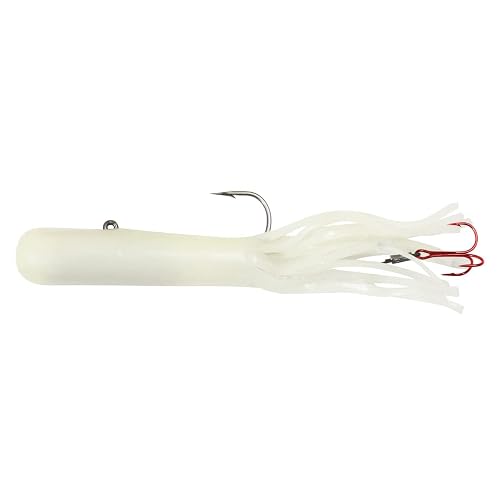 Best for multi-species jiggingNorthland Fishing Tackle Level-Head Predator Tube Jig, Assorted Sizes and ColorsView on Amazon
Our Top Picks
| Product | Best for | Key feature |
|---|---|---|
| Map for Leech Lake in Minnesota | Locating structure before drilling holes | Lake-specific depth and contour layout |
| Northern Minnesota Leech Lake Area and Park Rapids Area Fishing Map Guide | Anglers exploring the wider region | Coverage of surrounding lakes and access points |
| Northland Fishing Tackle Level-Head Predator Tube Jig | Pike, walleye and lake trout through the ice | Assorted sizes and colors for varied depths |
Map for Leech Lake in Minnesota
Map for Leech Lake in Minnesota
Best for: Locating structure and depth changes on Leech Lake before you set up
This is the most direct choice for anglers whose main problem is finding fish-holding structure on a lake that can look uniform from the surface. A lake-specific map lets you plan a route from the access point to likely spots, such as points, flats and drop-offs, before you ever drill a hole. It suits first-time visitors and experienced anglers who want to narrow their search quickly.
Key specs:
- Lake-specific chart covering Leech Lake, Minnesota
- Depth and contour information for structure planning
Pros:
- Focused on one lake, so the detail is relevant to where you will actually fish
- Helps you plan safe travel routes and avoid known hazards
- Useful for choosing hole locations before setting up
Cons:
- A paper map does not update with changing ice or weather conditions
- Requires familiarity with reading contour lines to get full value
Bottom line: Best for anglers who want one dependable reference for Leech Lake itself and plan to scout structure before fishing.
Northern Minnesota – Leech Lake Area and Park Rapids Area Fishing Map Guide
Northern Minnesota – Leech Lake Area & Park Rapids Area Fishing Map Guide (Fishing Maps Guide Book)
Best for: Anglers planning a broader trip that includes multiple lakes in the region
This guide suits travelers who want more than a single lake. It covers the Leech Lake area and the nearby Park Rapids region, which is useful if you plan to move between waters depending on ice conditions or fishing reports. It works well for anglers who like to compare options and build a multi-day itinerary.
Key specs:
- Regional coverage of the Leech Lake area and Park Rapids area
- Book-style format for multi-lake reference
Pros:
- Broader coverage than a single-lake chart
- Helpful for identifying backup waters if one lake is unsafe or slow
- Compact format is easy to carry in a vehicle or shelter
Cons:
- Less detail per lake than a dedicated single-lake map
- Like any printed guide, it cannot show current ice thickness
Bottom line: A good fit for anglers who want regional context and flexibility, not only a single-lake chart.
Northland Fishing Tackle Level-Head Predator Tube Jig, Assorted Sizes and Colors
Northland Fishing Tackle Level-Head Predator Tube Jig, Assorted Sizes & Colors for Ice Fishing and Fishing Lake Trout, Northern Pike, and Burbot
Best for: Jigging for pike, lake trout and burbot through the ice on Leech Lake
This assortment suits anglers who want one set of lures that covers several predator species. Assorted sizes and colors let you adjust to water clarity, depth and what the fish are responding to on a given day. It is a practical option for anglers who prefer to run a few different presentations without buying multiple packs.
Key specs:
- Assorted sizes and colors in one package
- Designed for ice fishing predators including northern pike, lake trout and burbot
Pros:
- Variety lets you adapt quickly to changing fish behavior
- Suitable for several target species from one setup
- Tube-style body is a familiar, widely used presentation for jigging
Cons:
- Predators can bite through tubes quickly, so spare lures are worth carrying
- Assortment means you may not get a large quantity of any single color or size
Bottom line: Best for anglers who want a versatile set of predator jigs to test on a new lake without committing to one color or size.
Buying Guide
Lake-Specific Versus Regional Maps
A lake-specific map concentrates on one body of water and usually shows more usable detail for that lake. A regional guide covers more ground but may show less depth information per lake. If you plan to fish mainly one bay or basin, a dedicated chart is usually more useful. If you are still choosing where to go, a regional guide helps you compare access points and alternatives. Check whether the map shows depth contours clearly enough for you to read breaklines and points.
Good picks for this: Map for Leech Lake in Minnesota; Northern Minnesota Leech Lake Area and Park Rapids Area Fishing Map Guide
Depth and Contour Detail
For hard-water fishing, the most valuable map information is usually the depth change between flats and drop-offs. Look for clear contour lines and labeled depths, since fish often hold along edges where depth shifts quickly. A map that makes these transitions easy to see will save time when you are drilling holes or choosing where to set tip-ups.
Good picks for this: Map for Leech Lake in Minnesota
Lure Size and Profile
Predator jigs come in different sizes, and the right size depends on the species and the bait available. Larger profiles tend to attract bigger fish but may get less interest from smaller ones. Assortments let you test several sizes in one trip, which is helpful when you are not sure what the fish want that day.
Good picks for this: Northland Fishing Tackle Level-Head Predator Tube Jig, Assorted Sizes and Colors
Color Selection and Water Clarity
Color matters more in clear water than in stained water. When visibility is good, natural and subdued colors often work well. In darker or stained conditions, brighter or higher-contrast colors can help fish find the lure. Carrying several colors lets you change presentations without drilling new holes.
Good picks for this: Northland Fishing Tackle Level-Head Predator Tube Jig, Assorted Sizes and Colors
Species Targeted
Leech Lake supports several species that respond to jigging and structure, so the species you want to target should guide your choices. Maps help you find where those fish are likely to hold, while predator jigs suit aggressive species. Make sure your gear matches the fish you expect, and check current regulations for each species before you fish.
Good picks for this: Map for Leech Lake in Minnesota; Northland Fishing Tackle Level-Head Predator Tube Jig, Assorted Sizes and Colors
Durability and Storage
Printed maps are sensitive to moisture and cold handling, so store them in a sealed bag or case in your shelter. Soft plastic lures can tear after repeated use, and they can dry out or get brittle in extreme cold. Keep spares in a small, dry container so you are not caught without a backup when fish are active.
Good picks for this: Northern Minnesota Leech Lake Area and Park Rapids Area Fishing Map Guide; Northland Fishing Tackle Level-Head Predator Tube Jig, Assorted Sizes and Colors
Planning for Safe Travel on the Ice
A map is a planning tool, not a substitute for current ice information. Ice thickness can vary across a large lake, and wind, springs and snow cover all affect it. Before heading out, check local reports and measure ice yourself with an auger or spud bar. For a deeper look at preparation, see Safety Gear for Ice Fishing: What You Need Before Stepping Onto the Ice.
Good picks for this: Map for Leech Lake in Minnesota; Northern Minnesota Leech Lake Area and Park Rapids Area Fishing Map Guide
FAQ
Is Leech Lake good for ice fishing?
Leech Lake is a large Minnesota lake with varied structure, which gives ice anglers many options for several species. Success depends on finding the right depth and structure for the time of season, so a good map and local information make a significant difference.
Do I need a lake-specific map for Leech Lake?
It is not strictly required, but a lake-specific map helps you read depth changes and plan hole locations more efficiently. A regional guide is useful if you also want to compare nearby lakes.
What is a predator tube jig used for?
Tube jigs are commonly used to target aggressive fish such as northern pike, lake trout and burbot through the ice. They can be tipped with bait or fished plain, and their assorted colors and sizes let you adapt to conditions.
How thick should ice be before I walk on Leech Lake?
Ice thickness requirements vary by source, and a common general guideline is at least four inches of clear, solid ice for walking. Thickness can differ widely across a lake, so measure as you go. Consult local authorities or a professional guide for current conditions and safety advice.
Can I use a map on a phone instead of a printed guide?
Digital mapping apps can be useful, but they depend on battery life and signal, which may be limited on the ice. Many anglers carry a printed map as a backup.
Do I need a license to ice fish Leech Lake?
Minnesota generally requires a fishing license for most anglers, with some exemptions. Check current state regulations before your trip, since rules on species, limits and seasons can change.
What colors work best for predator jigs?
Natural colors often perform well in clear water, while brighter or higher-contrast colors can be more visible in stained or dark conditions. Carrying several colors is the simplest way to find what the fish prefer on a given day.
Conclusion
For most anglers planning an ice fishing Leech Lake trip, a lake-specific map is the best starting point because it helps locate structure before drilling. Anglers who want to explore nearby waters should consider the regional guide, while those who want a versatile set of predator lures will find the assorted tube jigs useful across several species. Pair these choices with current ice reports and proper safety gear for the most productive and safest outing.
Sources
- Minnesota Department of Natural Resources guidance on fishing regulations, lake information and ice safety
- Cold weather safety information relevant to exposure and winter outdoor activity (cdc.gov)
- Water and lake science resources on lake depth, bathymetry and ice formation (usgs.gov)
Related reading
- Lake Mille Lacs MN Ice Fishing: When It's Safe and Where to Go
- Ice Fishing on Red Lake MN: When It's Safe and Where to Go
- Ice Fishing on Lake Mille Lacs: Where to Go and What to Know
- Ice Fishing at Lake of the Woods: Where to Go, When, and How
About Lauren Holland
Lauren Holland is part of our editorial team and reviews and edits our ice fishing guides, checking product details against manufacturer specifications and owner feedback.





