As an Amazon Associate I earn from qualifying purchases. This page may contain affiliate links.
Lake Mille Lacs MN ice fishing is generally safe once the ice reaches at least 4 inches of clear, solid ice, but Mille Lacs is a big, windy, current-influenced lake where thickness varies a lot from one bay to the next. Check current ice reports before you drive out, measure as you go, and plan around the lake’s known hot spots rather than wandering blind.
Why Mille Lacs Ice Conditions Are Different
Mille Lacs is one of the largest inland lakes in Minnesota, and its size works against easy predictions. Wind moves across a wide open basin and piles up snow in some areas while scouring others down to bare ice. Springs and inflows also keep certain stretches thinner. A spot that held 10 inches last weekend can have soft pockets after a warm afternoon followed by a hard north wind.
Shopping for one? See our guide: Ion Electric Ice Auger Battery Review: Features and Performance.
The lake also has a reputation for shifting fish patterns. Walleyes, perch, and cisco can move between deeper basins and transition breaks as the season progresses, so the spot that produced in early January may be dead by February.
Factors That Affect Ice Safety and Fishing Success
Three things matter most when you are deciding where to set up:
- Ice thickness: Clear, blue-black ice is strongest. White or snow-ice is significantly weaker, often rated about half as strong as clear ice of the same thickness. Many anglers use a 4-inch minimum for walking and a higher number before driving a vehicle.
- Snow cover: Heavy snow insulates the ice and slows freezing, which can leave a surprisingly thin layer underneath. Snow also hides cracks and open water.
- Depth and structure: Mille Lacs holds walleyes along breaklines, weed edges, and humps. Electronics that show bottom contour and fish arches help you stay on productive ground.
Local bait shops and the Minnesota DNR publish ice condition updates, and those are worth checking the same day you go out. Conditions can change faster than a forecast suggests.
What to Do Before and During Your Trip
Safety on Mille Lacs starts at home. Before heading out, check the latest ice thickness report, tell someone your planned location and return time, and confirm the access points you intend to use. Wind direction matters too: a strong wind can push you away from shore or crack the ice near points and openings.
Once on the ice, drill test holes as you move, especially near inlets, points, and any area with current. Carry ice picks, a rope, and a throw bag. If you break through, the safest move is to kick hard, get your arms onto the ice, and roll away from the hole. Avoid standing up until you are fully out.
Practical Tips for Lake Mille Lacs MN Ice Fishing
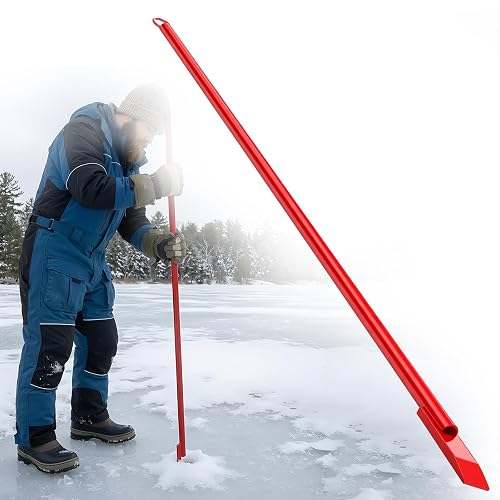
- Verify thickness with a spud bar or auger at multiple points before committing to a spot.
- Stay off areas with dark patches, slush, or visible open water.
- Scout with a flasher or sonar before drilling a large number of holes.
- Fish along breaklines in transition depths where walleyes often stage.
- Keep a dry change of clothes in the vehicle and dress in layers.
- Pack a first-aid kit and know the nearest access point and emergency number.
What We’d Use
A sturdy hand auger or gas auger makes it easier to test ice and drill through thicker sections. Choose one that fits your weight and the ice thickness you typically encounter. For a quick reference on options, see Best Hand Ice Augers.
A flasher is useful for finding walleye and perch on Mille Lacs. 10 Best Ice Fishing Flashers covers models suited to different budgets and depths.
Ice picks are a small, inexpensive safety item that every angler should carry on Mille Lacs or any large lake. View on Amazon
Related questions
How thick should ice be for Lake Mille Lacs?
Most anglers look for at least 4 inches of clear ice before walking, and more before driving. Always verify thickness yourself, since it varies across the lake.
When is the best time for ice fishing on Mille Lacs?
Many anglers find walleye action strongest in the middle and later parts of winter, when fish settle into predictable patterns. Conditions and fish location vary each year.
Do I need a license for Lake Mille Lacs ice fishing?
Yes. You need a valid Minnesota fishing license, and you should check current DNR regulations for limits, sizes, and any special rules for Mille Lacs.
What should I bring for a day on the ice?
Bring ice picks, a rope, a spud bar, a flasher or sonar, warm layers, and a first-aid kit. Tell someone your plans before you leave.
Is it safe to drive on the lake?
Driving requires significantly more ice than walking. Check the DNR’s vehicle guidelines and only drive where conditions clearly support it. Consult local authorities or a professional guide if you are unsure.