As an Amazon Associate I earn from qualifying purchases. This page may contain affiliate links.
Ice fishing Lake of the Woods resorts give you access to one of the largest and most productive winter fisheries in North America, with lodging, ice access and guiding bundled into a single booking. This guide walks you through how to choose a resort, what to expect on the ice, how to plan your gear and how to stay safe on a big, variable lake. By the end, you should know which type of resort fits your group and what to pack before you leave home.
Why Lake of the Woods Works for Resort-Based Trips
Lake of the Woods straddles the Minnesota and Ontario border and covers a huge area with thousands of islands, bays and shoreline structure. For anglers who do not own a shelter or do not want to drive a truck onto the ice, resorts solve several problems at once. They plow access roads, maintain ice trails, provide heated shelters or bunkhouses, and often have guides who know which bays are producing week to week. Many visitors come for walleye, sauger, perch and crappie, and the lake’s mix of shallow flats and deeper basins means the species you target can change with the season.
Shopping for one? See our guide: Ion Electric Ice Auger Battery Review: Features and Performance.
Resort trips also simplify logistics. Instead of managing transport across the ice, you can focus on jigging, tip-up setups and fish-finding. For first-timers, a resort with a guide can shorten the learning curve by years.
Step 1: Decide What Kind of Resort You Want
Not all ice fishing lake of the woods resorts operate the same way. Before you compare websites, decide which of these models matches your trip.
- Full-service lodges: Cabins or lodge rooms, meals, guided trips and sometimes transportation to and from the ice. Best for groups who want minimal planning.
- Housekeeping cabins with ice access: You cook your own meals and often drive or ride a provided sled to your spot. Good for families and anglers who prefer to fish on their own schedule.
- Guided-only packages: A licensed guide handles the ice, equipment and fish-finding. Useful for first-timers, or for anglers who want to target a specific species such as walleye.
- Rental-heavy resorts: Heated shelters, electronics and rods can be rented on site. Helpful if you are flying in or want to travel light.
Step 2: Compare Resorts on the Factors That Matter
Use a consistent checklist so you can compare properties fairly. Call or email each resort and ask specific questions rather than relying on marketing photos.
| Factor | What to Ask | Why It Matters |
|---|---|---|
| Ice access | How far is the nearest productive ice from the lodge? Is there a plowed road? | Long sled hauls cut into fishing time, especially in cold weather. |
| Shelter options | Are shelters provided, rented or required to be brought? | Heated shelters make a multi-day trip far more comfortable. |
| Guide availability | Are licensed guides on staff? Can they target walleye, sauger or perch? | Local knowledge changes results more than almost any piece of gear. |
| Season dates | When does ice-based service begin and end? | Early and late season ice is less predictable and sometimes unsafe. |
| Meals and lodging | Are meals included? Are rooms heated and shared? | Affects total trip planning and packing needs. |
| Cancellation policy | What happens if weather or ice conditions force changes? | Lake conditions can shift quickly, so flexibility matters. |
Step 3: Understand Ice Thickness and Safety on the Lake
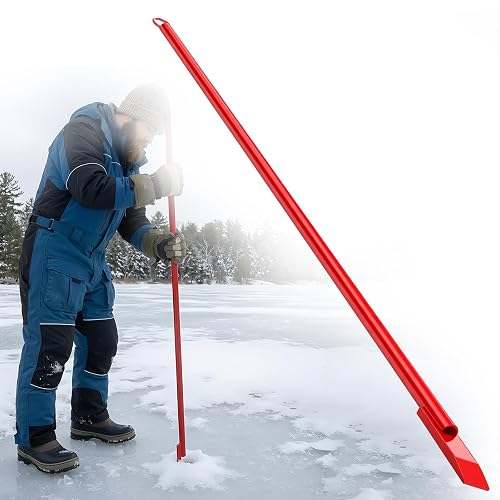
Lake of the Woods has variable ice. Current, springs, wind-driven pressure ridges and narrow channels can all produce thin spots, even when nearby ice looks solid. Resorts generally manage known hazards, but you still need to test ice yourself every time you leave a marked trail.
General Ice Thickness Guidelines
- Under 4 inches: stay off. Not safe for foot traffic.
- 4 inches: generally suitable for foot traffic and light ice fishing, with caution.
- 5 to 7 inches: generally suitable for snowmobiles or ATVs under conditions.
- 8 to 12 inches: commonly cited as suitable for small trucks, subject to local advice.
These are general guidelines, not guarantees. Clear ice is stronger than white or snow-ice, and ice near inlets, outlets and current is weaker. Always check conditions with the resort and local authorities before heading out, and consult a professional guide for route decisions.
Basic Safety Habits
- Stay on marked trails or routes the resort recommends.
- Carry ice picks or hand-held spikes around your neck.
- Bring a rope and a personal flotation device if you are on foot in unfamiliar areas.
- Tell someone at the lodge your planned location and return time.
- Check the weather forecast before you go. Wind and warm spells change ice quickly.
Step 4: Plan Your Gear List
Resort packages vary, so confirm what is supplied before you pack. A typical checklist for a multi-day trip includes:
- Ice rods matched to your target species, with a backup set
- Jigs, soft plastics and minnows, plus a small bait bucket and aerator if your resort allows live bait
- An auger, either hand-powered or electric, with spare blades or batteries
- Tip-ups, if your resort permits them, along with flags and tip-up line
- A flasher or sonar unit for finding fish and watching jig action
- Layered cold-weather clothing, insulated boots, and warm gloves you can still tie knots in
- Ice picks, a rope, a whistle and a fully charged phone in a waterproof case
- A valid Minnesota or Ontario fishing license, depending on your side of the lake
For detailed recommendations on specific tools, see the buying guides listed in the Recommended gear section below and on our site.
Step 5: Choose Your Fishing Approach
Lake of the Woods rewards anglers who match technique to season and depth. Early winter often produces shallow-water action near weedlines and reefs, while midwinter fish tend to move to deeper basins and structure edges. Guides usually start with a pattern and adjust based on what their electronics show.
Common Techniques
- Jigging: Vertical presentations with small jigs and minnows, working the water column near suspended walleye or perch.
- Tip-ups: Setting multiple lines with live bait near bottom structure, particularly effective for pike and sometimes walleye. Check your resort’s rules first.
- Electronics-guided search: Moving holes until your flasher shows active fish, then committing to that spot.
Tips for a Better Resort Trip
- Book early for peak weeks in January and February, when guided spots fill quickly.
- Ask the resort for recent catch reports and which bays are currently producing.
- Bring a backup rod and battery pack. Cold drains power fast.
- Keep a dry set of clothes in the vehicle or lodge for after you return from the ice.
- Learn the basics of your flasher before you arrive, so you are not troubleshooting on the ice.
Common Mistakes to Avoid
- Trusting ice because others walked on it. Ice thickness varies within a few hundred feet, so test every new spot.
- Booking without asking about shelters. Some packages assume you will bring one, and an unheated day can cut a trip short.
- Ignoring the forecast. A warm spell or strong wind can turn a safe route into an unsafe one overnight.
- Packing only one rod or one battery. Equipment failure in cold conditions is common enough to plan around.
- Skipping the license. Confirm which side of the border you are fishing and buy the correct license before you go.
Recommended gear
Ice rods matched to walleye and perch work are a practical starting point, because a sensitive tip helps you detect light bites. See our guide to Best Ice Fishing Rods for options.
- Sensitive ice rods: A rod with a light, responsive tip is important for detecting subtle bites from perch and walleye. View on Amazon
- Insulated ice fishing gloves: Dexterity matters when tying knots and handling line. Waterproof, insulated gloves help keep your hands working through long sessions. View on Amazon
- Flasher unit: Electronics show fish and lure depth, which is especially useful on a big lake with varied bottom structure. View on Amazon
- Ice fishing sled: A sled hauls gear across the ice and reduces trips back to the vehicle, which helps on long walks to productive spots. View on Amazon
For broader comparisons, check Best Ice Fishing Shelters and 10 Best Ice Fishing Flashers.
FAQ
When is the best time to ice fish Lake of the Woods?
Most anglers target January through February, when ice is thick and resort services are most established. Early and late season trips can be productive but carry more risk, so confirm conditions with the resort first.
Do I need a license to fish from a resort on Lake of the Woods?
Yes. A valid fishing license from the state or province where you are fishing is required. Check current regulations with the Minnesota DNR or Ontario Ministry of Natural Resources before your trip, as rules and fees change.
Are guided trips worth it for first-timers?
For many beginners, yes. A guide saves time finding fish, shows you how to read electronics and helps you understand safe ice routes. Experienced anglers sometimes prefer to fish independently once they know the lake.
Can I bring my own shelter to a resort?
Often, yes, but confirm first. Some resorts require shelters to be moved on their trails or restrict where they can be set. Ask about rules for tip-ups as well.
What species can I catch on Lake of the Woods in winter?
Walleye, sauger, perch, crappie and northern pike are common targets. Species mix and success depend on the season, depth and bay.
How thick should ice be for walking on Lake of the Woods?
Generally at least 4 inches of clear ice is considered the minimum for foot traffic, but ice can vary widely across the lake. Always test ice yourself and follow resort guidance.
What should I pack for a multi-day resort trip?
Pack layered cold-weather clothing, insulated boots, backup rods, extra batteries, ice picks, a whistle and your license. Confirm which shelters, sleds and electronics the resort supplies so you do not double up.
Is it safe to drive on the ice?
Driving on the ice carries real risk. Only drive on routes the resort or local authorities have marked and confirmed. If you are unsure, consult a professional guide before driving any vehicle onto the lake.
Conclusion
Ice fishing Lake of the Woods resorts can make a demanding winter trip far more manageable, from lodging and guides to plowed access and heated shelters. Start by choosing the resort model that fits your group, then compare properties with a clear checklist. Respect ice thickness guidelines, pack backup gear and confirm your license before you head out. A well-planned trip will leave you more time on the ice and more fish in the cooler.