 By Lauren Holland
Updated November 2026
Finding the best battery for ice fishing flasher use comes down to three things: enough capacity for a full day on the ice, a chemistry that holds up in cold weather, and a terminal type that matches your unit. A flasher draws steady power while the transducer is running, and a dead battery at the bottom of a hole means lost fish and a cold walk back to the truck. The picks below are judged on published specifications, brand reputation and the patterns owners commonly report, with a focus on capacity, cold-weather behavior, weight and water resistance.
Our top picks at a glance
- 1
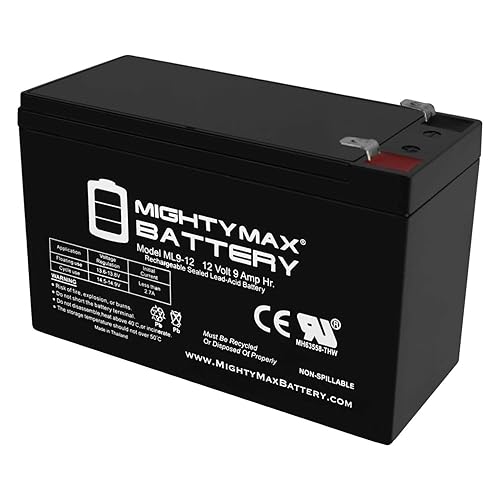 TOP CHOICEBest overallMighty Max Battery ml9-12 – 12 Volt 9 ah, f2 Terminal, Rechargeable SLView on Amazon
- 2
 TOP CHOICEBest for lightweight lithium power5000+ Deep Cycles, Compact Size & F2 Terminal. Ideal for Fish Finder,View on Amazon
- 3
 TOP CHOICEBest for long days on the ice5000+ Deep Cycles, Built-in BMS, Premium Lithium Iron Phosphate Cell,View on Amazon
- 4
 Best for compact builds5000+Deep Cycles, Lithium Iron Phosphate Battery, Built-in BMS, IdealView on Amazon
- 5
 Best for cycle life2000+ Cycles Rechargeable Battery for Solar/Wind Power, Lighting, PoweView on Amazon
- 6
 Best for long service life10-Year Life, Lightweight Design with 10A BMS, IP67 Waterproof, for FiView on Amazon
- 7
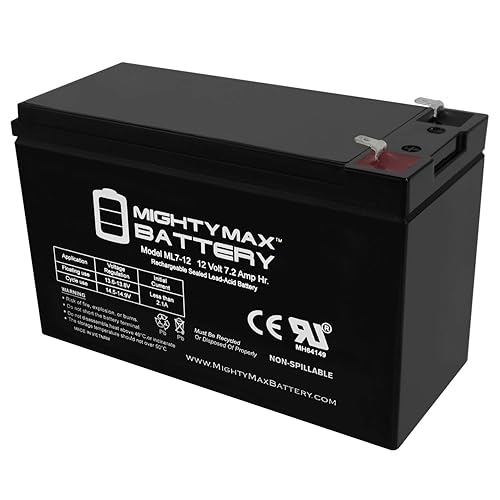 Best budget pickMighty Max Battery ML7-12, 12 Volt 7.2 AH SLA F1 Terminal Battery, BraView on Amazon
Our Top Picks
Quick Comparison
| Product | Best for | Key feature |
|---|---|---|
| Mighty Max Battery ml9-12 | Best overall | 9Ah sealed lead-acid, F2 terminals |
| 12V 10Ah LiFePO4 (B0DZXGT1VT) | Best for lightweight lithium power | IP67 rating, 10A BMS |
| GOLDENMATE 12V 16Ah LiFePO4 | Best for long days on the ice | 16Ah capacity, built-in BMS |
| 12V 10Ah LiFePO4 (B0DJ2J6R25) | Best for compact builds | Built-in BMS, lightweight |
| 12V 10Ah LiFePO4 (B097BRKCQP) | Best for cycle life | 2000+ cycle rating, 10A BMS |
| 12V 10Ah LiFePO4 (B0F9W5CTYT) | Best for long service life | UL Certified, 5000+ cycles |
| Mighty Max Battery ML7-12 | Best budget pick | 7.2Ah SLA, F1 terminals |
Mighty Max Battery ml9-12 – 12 Volt 9 ah, f2 Terminal, Rechargeable SLA agm Battery,Pack of 1
Mighty Max Battery ml9-12 – 12 Volt 9 ah, f2 Terminal, Rechargeable SLA agm Battery,Pack of 1
Best for: Best overall
This sealed lead-acid (AGM) battery suits anglers who want a familiar chemistry and a 9Ah rating that covers a typical flasher through a half day or longer, depending on sonar settings and cold.
Key specs
- Nominal voltage: 12V
- Capacity: 9Ah
- Terminal type: F2
- Chemistry: Sealed lead-acid (AGM)
Pros
- Familiar, widely available chemistry
- F2 terminals match many flasher cable setups
- Sealed design is spill-resistant for mounting
Cons
- Heavier than lithium options of similar capacity
- Capacity drops noticeably in deep cold
Bottom line: A safe, sensible default for anglers who want a proven chemistry and don’t mind carrying extra weight.
5000+ Deep Cycles, Compact Size & F2 Terminal. Ideal for Fish Finder, Kayak, UPS, Solar, Gate Opener & Alarm System 12V 10Ah Lithium LiFePO4 Battery, IP67 Rated, 10A BMS, Lightweight
5000+ Deep Cycles, Compact Size & F2 Terminal. Ideal for Fish Finder, Kayak, UPS, Solar, Gate Opener & Alarm System 12V 10Ah Lithium LiFePO4 Battery, IP67 Rated, 10A BMS, Lightweight
Best for: Best for lightweight lithium power
Anglers who want lithium performance without the bulk of a lead battery will find this a good match, especially for walking or sled-hauling setups.
Key specs
- Nominal voltage: 12V
- Capacity: 10Ah
- Terminal type: F2
- Protection: 10A BMS, IP67 rating
Pros
- Lightweight compared with sealed lead-acid
- IP67 rating resists splashes and snow
- F2 terminal fits common flasher cables
Cons
- 10Ah may be tight for all-day use with high power settings
- Needs a lithium-compatible charger
Bottom line: A strong choice for anglers who prioritize weight savings and a sealed, waterproof build.
5000+ Deep Cycles, Built-in BMS, Premium Lithium Iron Phosphate Cell, Ideal for Solar, Marine, Fishfinder, Camping, Off-grid GOLDENMATE 12V 16Ah LiFePO4 Lithium Battery, IP67 Waterproof, Lightweight
5000+ Deep Cycles, Built-in BMS, Premium Lithium Iron Phosphate Cell, Ideal for Solar, Marine, Fishfinder, Camping, Off-grid GOLDENMATE 12V 16Ah LiFePO4 Lithium Battery, IP67 Waterproof, Lightweight
Best for: Best for long days on the ice
Anglers who run a flasher for many hours and want extra runtime headroom will appreciate the 16Ah capacity in a lithium package.
Key specs
- Nominal voltage: 12V
- Capacity: 16Ah
- Chemistry: Lithium iron phosphate (LiFePO4)
- Protection: Built-in BMS, IP67 rating
Pros
- 16Ah gives the longest runtime in this lineup
- Lithium iron phosphate chemistry is stable under load
- Waterproof rating suits wet, icy conditions
Cons
- Heavier than the 10Ah lithium options
- Needs a lithium-compatible charger
Bottom line: The right pick for multi-day or high-draw setups where runtime matters most.
5000+Deep Cycles, Lithium Iron Phosphate Battery, Built-in BMS, Ideal for Power Wheels, Marine, Fish Finder, Camping, Lights 12V 10Ah LiFePO4 Lithium Battery, IP67 Waterproof, Lightweight
5000+Deep Cycles, Lithium Iron Phosphate Battery, Built-in BMS, Ideal for Power Wheels, Marine, Fish Finder, Camping, Lights 12V 10Ah LiFePO4 Lithium Battery, IP67 Waterproof, Lightweight
Best for: Best for compact builds
Anglers building a slim, mount-friendly power pack for a small flasher or a tight sled setup will find the 10Ah size a practical balance.
Key specs
- Nominal voltage: 12V
- Capacity: 10Ah
- Chemistry: Lithium iron phosphate (LiFePO4)
- Protection: Built-in BMS, IP67 rating
Pros
- Compact and lightweight
- Built-in BMS protects against overcharge and overdischarge
- IP67 rating for wet conditions
Cons
- Shorter runtime than the 16Ah option
- Requires lithium-compatible charging
Bottom line: A good fit for compact, lightweight rigs where space is limited.
2000+ Cycles Rechargeable Battery for Solar/Wind Power, Lighting, Power Wheels, Ride-on Toy, Fish Finder and More 12V 10Ah Lithium LiFePO4 Deep Cycle Battery with 10A BMS,Lightweight
2000+ Cycles Rechargeable Battery for Solar/Wind Power, Lighting, Power Wheels, Ride-on Toy, Fish Finder and More 12V 10Ah Lithium LiFePO4 Deep Cycle Battery with 10A BMS,Lightweight
Best for: Best for cycle life
Anglers who plan to use one battery across many seasons and value a high charge-cycle rating will find this a sensible long-term option.
Key specs
- Nominal voltage: 12V
- Capacity: 10Ah
- Chemistry: Lithium iron phosphate (LiFePO4)
- Protection: 10A BMS
Pros
- Rated for 2000+ charge cycles
- Lightweight lithium construction
- 10A BMS for protection
Cons
- Waterproof rating is not stated in the listing name, so confirm before mounting in wet spots
- Requires lithium-compatible charging
Bottom line: Best for anglers who want lithium longevity and plan regular seasonal use.
10-Year Life, Lightweight Design with 10A BMS, IP67 Waterproof, for Fish Finder, Marine, Solar, Power Wheels, UPS, HAM Radio 12V 10Ah LiFePO4 Lithium Battery, UL Certified, 5000+ Cycles
10-Year Life, Lightweight Design with 10A BMS, IP67 Waterproof, for Fish Finder, Marine, Solar, Power Wheels, UPS, HAM Radio 12V 10Ah LiFePO4 Lithium Battery, UL Certified, 5000+ Cycles
Best for: Best for long service life
Anglers who want a lithium battery with a stated service-life rating and a recognized safety certification will find this a solid choice.
Key specs
- Nominal voltage: 12V
- Capacity: 10Ah
- Chemistry: Lithium iron phosphate (LiFePO4)
- Protection: 10A BMS, IP67 waterproof, UL Certified
Pros
- Listed 10-year service life and 5000+ cycles
- UL Certification is a useful safety signal
- IP67 waterproof rating
Cons
- 10Ah capacity is modest for long, high-draw sessions
- Requires lithium-compatible charging
Bottom line: A strong pick for anglers who prioritize certification and long life over raw capacity.
Mighty Max Battery ML7-12, 12 Volt 7.2 AH SLA F1 Terminal Battery, Brand Product, Black (Pack of 1)
Mighty Max Battery ML7-12, 12 Volt 7.2 AH SLA F1 Terminal Battery, Brand Product, Black (Pack of 1)
Best for: Best budget pick
Anglers with a smaller flasher or shorter outings who want a familiar sealed lead-acid battery at a lower capacity will find this a practical option.
Key specs
- Nominal voltage: 12V
- Capacity: 7.2Ah
- Terminal type: F1
- Chemistry: Sealed lead-acid (AGM)
Pros
- Lower-capacity, budget-friendly option
- Familiar sealed lead-acid chemistry
- Compact enough for small mounts
Cons
- F1 terminals may not match every flasher cable; check before buying
- Shorter runtime than the 9Ah model
Bottom line: A sensible pick for light-duty use and short sessions, provided the terminal type matches your setup.
Buying Guide
Capacity (Amp-Hours)
Amp-hour (Ah) rating tells you how long a battery can supply current. Estimate your runtime by dividing the capacity by your flasher’s average draw. Cold, high screen brightness, and high-power transducer settings all reduce effective runtime, so plan for less than the label suggests. For full-day trips, aim for at least 10Ah, and step up to 16Ah if you run the unit nearly continuously.
Good picks for this: GOLDENMATE 12V 16Ah LiFePO4, Mighty Max Battery ml9-12
Chemistry: Lead-Acid (SLA/AGM) vs. Lithium (LiFePO4)
Sealed lead-acid batteries are heavy but familiar and generally less expensive to replace. Lithium iron phosphate batteries weigh considerably less, hold their charge well, and tolerate many more charge cycles. Lithium packs require a charger designed for LiFePO4 chemistry, so check compatibility before you buy.
Good picks for this: 12V 10Ah LiFePO4 (B0DZXGT1VT), Mighty Max Battery ml9-12
Terminal Type (F1 vs. F2)
Terminal style matters more than most anglers expect. F1 and F2 terminals are different sizes, and a mismatch can mean an adapter or a wiring change. Check your flasher’s power cable and the battery’s terminal listing before purchase. Listings that name the terminal type make this easy to confirm.
Good picks for this: Mighty Max Battery ml9-12, Mighty Max Battery ML7-12
Weight and Portability
If you walk, drag a sled, or hike between holes, weight adds up quickly. A lithium battery at the same capacity can weigh a fraction of a lead-acid model. For fixed setups in a shelter, weight matters less, and capacity becomes the priority.
Good picks for this: 12V 10Ah LiFePO4 (B0DJ2J6R25), 12V 10Ah LiFePO4 (B0F9W5CTYT)
Water and Weather Resistance
Ice fishing exposes gear to slush, snow, and spray. An IP67 rating indicates the battery can resist dust and temporary immersion under specified conditions. Mount batteries off the ice surface when possible, and keep terminals clean and dry. Check the manufacturer’s specifications for exact limits.
Good picks for this: 12V 10Ah LiFePO4 (B0DZXGT1VT), GOLDENMATE 12V 16Ah LiFePO4
Protection Circuitry (BMS)
A battery management system (BMS) guards lithium packs against overcharge, overdischarge, and short circuits. A built-in 10A BMS is a useful safety feature, though it is not a substitute for correct charging. Always follow the manufacturer’s charging instructions.
Good picks for this: 12V 10Ah LiFePO4 (B0DJ2J6R25), 12V 10Ah LiFePO4 (B097BRKCQP)
Certification and Long-Term Use
Third-party certifications such as UL indicate that a product has been evaluated against recognized safety standards. Cycle-life and service-life ratings give a rough idea of how long the battery should last under normal use. Treat these as manufacturer claims and store and charge batteries as directed.
Good picks for this: 12V 10Ah LiFePO4 (B0F9W5CTYT), 12V 10Ah LiFePO4 (B097BRKCQP)
FAQ
What size battery do I need for an ice fishing flasher?
For a typical day on the ice, a 10Ah battery is a practical starting point. If you run the flasher almost continuously or in very cold weather, consider a 16Ah battery to leave a reserve. Your flasher’s power draw listed in its manual gives the most accurate estimate.
Can I use a car battery for my flasher?
Many anglers do, but car batteries are heavy and not designed for deep discharge. A deep-cycle or sealed battery matched to your unit’s voltage is a better fit. Confirm voltage and terminal type before connecting.
Is lithium better than lead-acid for ice fishing?
Lithium batteries are lighter and typically hold charge better, which helps on long days. Lead-acid batteries are familiar and widely available. Either can work well if sized correctly and charged with the right charger.
Do cold temperatures affect battery life?
Yes. Cold reduces the effective capacity of most batteries, so runtime on the ice will be shorter than at home. Keeping the battery warm and out of direct contact with snow and ice helps preserve performance. Check the manufacturer’s operating temperature range.
What does IP67 mean for a battery?
IP67 is an ingress protection rating. The first digit covers solid particles such as dust, and the second covers water. IP67 indicates protection against dust and temporary immersion under specified conditions. It does not mean the battery can be submerged indefinitely.
Do I need a special charger for lithium batteries?
Yes. Lithium iron phosphate batteries require a charger designed for LiFePO4 chemistry. Using a lead-acid charger can damage the battery and create safety risks. Always follow the manufacturer’s charging guidance.
How do I know if a battery terminal matches my flasher?
Compare the terminal type listed for the battery with your flasher’s power cable connector. F1 and F2 are common sizes and are not interchangeable without an adapter. If unsure, consult your flasher’s manual or a qualified marine electronics technician.
Conclusion
For most hard-water anglers, the best battery for ice fishing flasher use is one that matches runtime needs, terminal type, and weight preferences. The Mighty Max Battery ml9-12 is a familiar, sensible default. Anglers who prioritize weight should look at the 10Ah lithium options, while those running long sessions may prefer the 16Ah GOLDENMATE pack. The Mighty Max ML7-12 suits light-duty use if its terminal matches your setup. Always confirm charger compatibility and terminal type before purchase, and follow the manufacturer’s safety instructions when handling any battery on the ice.
Sources
- Consumer safety guidance on battery handling, charging and recall information (cpsc.gov)
- Background on battery chemistries, including lead-acid and lithium iron phosphate (energy.gov)
- Information on UL safety certifications and what they evaluate (ul.com)
Related reading
- Flashers for Ice Fishing: 5 Best Picks Compared (2026)
- 10 Best Ice Fishing Flashers
- Vexilar Ice Fishing Flasher: A Step-by-Step Guide for Beginners
- Ice Fishing Flasher vs Sonar (2026): Which Is Better for Hard-Water Anglers?
- Ice Fishing Flasher vs Finder (2026): Which Is Better for Hard-Water Anglers?
About Lauren Holland
Lauren Holland is part of our editorial team and reviews and edits our ice fishing guides, checking product details against manufacturer specifications and owner feedback.